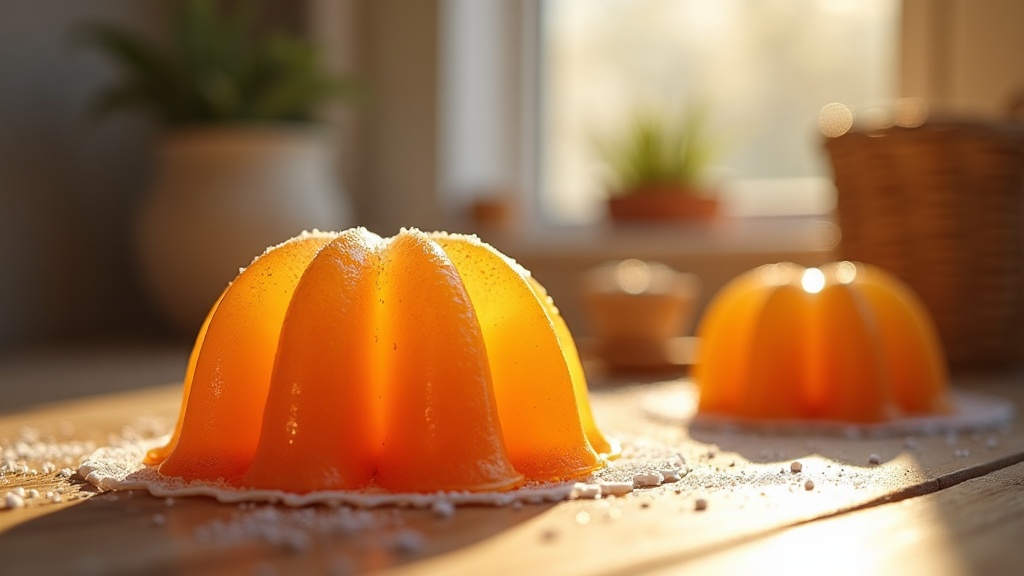
Long before modern wellness trends, home kitchens quietly relied on simple combinations like baking soda e gelatin, passed down through generations. This piece explores that tradition as a reading experience — not a recommendation.
Household surveys and informal reader accounts repeatedly mention one small detail: many men past fifty describe a subtle shift in daily rhythm — rarely dramatic, but noticeable enough to send them digging through old pantry staples and family customs, including simple combinations like baking soda e gelatin.
Many men rediscover an old jar of baking soda e gelatin tucked in the back of a cabinet and wonder why previous generations kept it so close at hand.
A familiar dip in the middle of the day that seems to arrive earlier than it used to, prompting some to look back at older, simpler routines.
Sleep that once came easily now feels a little lighter, a little shorter — a shift many chalk up to age rather than habit.
A quiet moment of noticing that the reflection looks a bit different than it did a decade ago, without any single explanation.
Before refrigeration, supplement aisles, or wellness influencers, households leaned on what was already in the cupboard. Baking soda was a fixture of nearly every kitchen, used for baking, cleaning, and general household problem-solving. Gelatin, rendered slowly from bone and connective tissue, was a staple of frugal, nose-to-tail cooking traditions across many cultures. Combining the two in home recipes was less a deliberate formula and more a matter of using what was on hand, generation after generation, in kitchens that valued patience over convenience.
This section is historical and cultural in nature. It does not describe a method, dosage, or routine intended to treat, prevent, or cure any condition.
Old kitchen habits tend to collect a mix of folklore and fact over the decades. A few of the more common assumptions are worth a closer, calmer look.
Because it’s old-fashioned, it must be outdated or irrelevant.
Many traditional kitchen practices persist simply because they were practical for the households that used them, not because they were scientifically tested.
If grandparents used it daily, it was proven effective.
Long-standing use in a household reflects habit and preference, not clinical evidence of any specific outcome.
Simple ingredients mean simple, guaranteed effects.
Everyday pantry items can be genuinely interesting from a historical or culinary standpoint without implying any health claim or promised result.
Descriptions passed down through informal family retellings tend to follow a loose, three-part structure — more ritual than recipe.
The process began with whatever pantry staples were already available, prepared in small, unmeasured amounts rather than a strict formula.
Many accounts mention letting the mixture sit briefly before use, a step tied more to kitchen custom than to any documented mechanism.
What stands out across these old descriptions is less the ingredients themselves and more the quiet consistency of returning to the same small routine.
Ongoing tiredness that doesn't improve with rest is worth discussing with a healthcare professional.
A significant, lasting shift in sleep patterns deserves a conversation with a doctor rather than a home remedy.
Ongoing changes in mood or motivation are best addressed with a qualified professional.
Recurring digestive issues should be evaluated by a medical provider rather than self-managed.
Stiffness that doesn't ease with movement over time is worth mentioning at a check-up.
A lasting change in appetite, in either direction, is a reasonable topic to raise with a healthcare provider.
Illustrative composite examples. Individual results vary. Not a guarantee.
It’s an editorial exploration of an old household habit involving baking soda e gelatin, presented for historical and educational interest.
No. Nothing here is intended to diagnose, treat, cure, or prevent any condition. It is educational content only.
Both were common, inexpensive pantry staples, and combining available ingredients was typical in frugal home kitchens of earlier generations.
Any decisions about diet, supplements, or health routines should be discussed with a qualified healthcare professional first.
This content reflects historical and cultural context, not clinical research findings.
It’s written for readers, particularly men over 50, interested in the history behind everyday household traditions.
You can continue exploring related editorial content through the link provided at the end of this page.
If the history behind baking soda e gelatin caught your interest, the full editorial piece continues with more context and detail.
Advertising Disclosure: This page contains sponsored content and affiliate links. We may receive compensation if you click through or make a purchase using the links provided on this site. This helps support our editorial work at no additional cost to you.
Content Disclaimer: This content is for educational and informational purposes only. It has not been evaluated by the FDA. Nothing on this page is intended to diagnose, treat, cure, or prevent any disease or medical condition. Always consult a qualified healthcare professional before making any changes to your health routine.
Results Disclaimer: Individual results vary. Any testimonials or reader reflections shared on this page are illustrative and not a guarantee of any specific outcome or experience.
© 2026 · All Rights Reserved · /contact/